Selected Past Projects
IRSPM Conference 2017
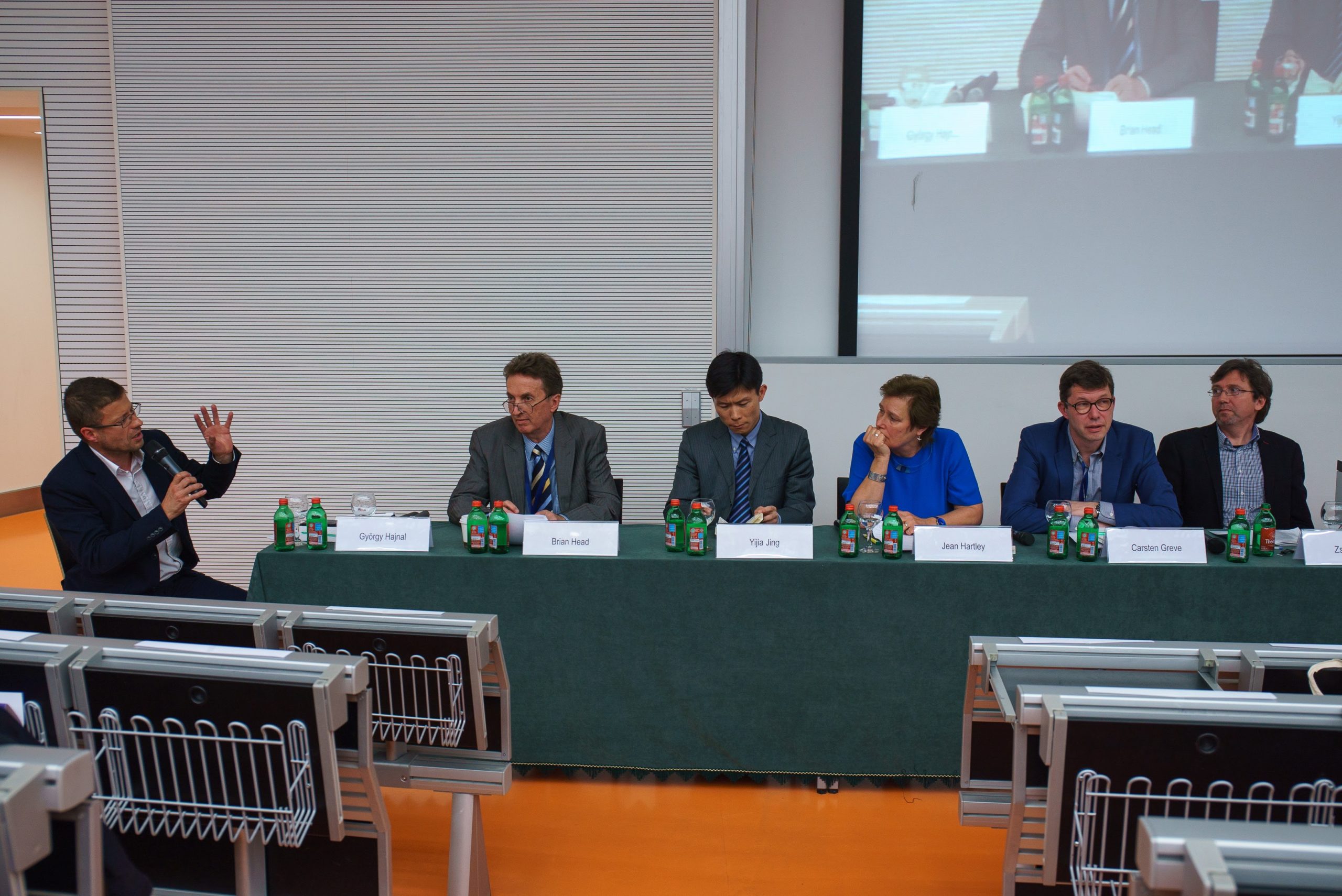
The Danube Centre for Governance Studies organized the 2017 Annual Conference of the International Research Society for Public Management (IRSPM) in Budapest, hosted by the Department of Public Policy and Management at Corvinus University of Budapest. The conference brought together more than 500 participants from almost 50 countries. Under the theme “The Culture and Context of Public Management,” the event provided a vibrant international forum for scholars and practitioners to engage in dialogue on the evolving challenges of public governance. The program combined cutting-edge academic research with practical perspectives from policy-making and public administration, reflecting IRSPM’s long-standing commitment to bridging theory and practice.
Set in the cultural, historical, and political context of Central and Eastern Europe, the conference placed particular emphasis on how “soft” contextual factors—such as cultural traditions, historical legacies, and informal institutions—shape public management practices and outcomes. Participants examined how these contextual features mediate, modify, or even challenge generalized theories of public management. Against the backdrop of recent developments in the European Union and beyond, panels and plenary sessions addressed timely issues including democratic governance, accountability, integrity-based policymaking, and the interaction between formal and informal institutions. By foregrounding context-sensitive analysis, the conference contributed to refining public management concepts and developing approaches better suited to diverse governance environments.


IRSPM Conference 2023
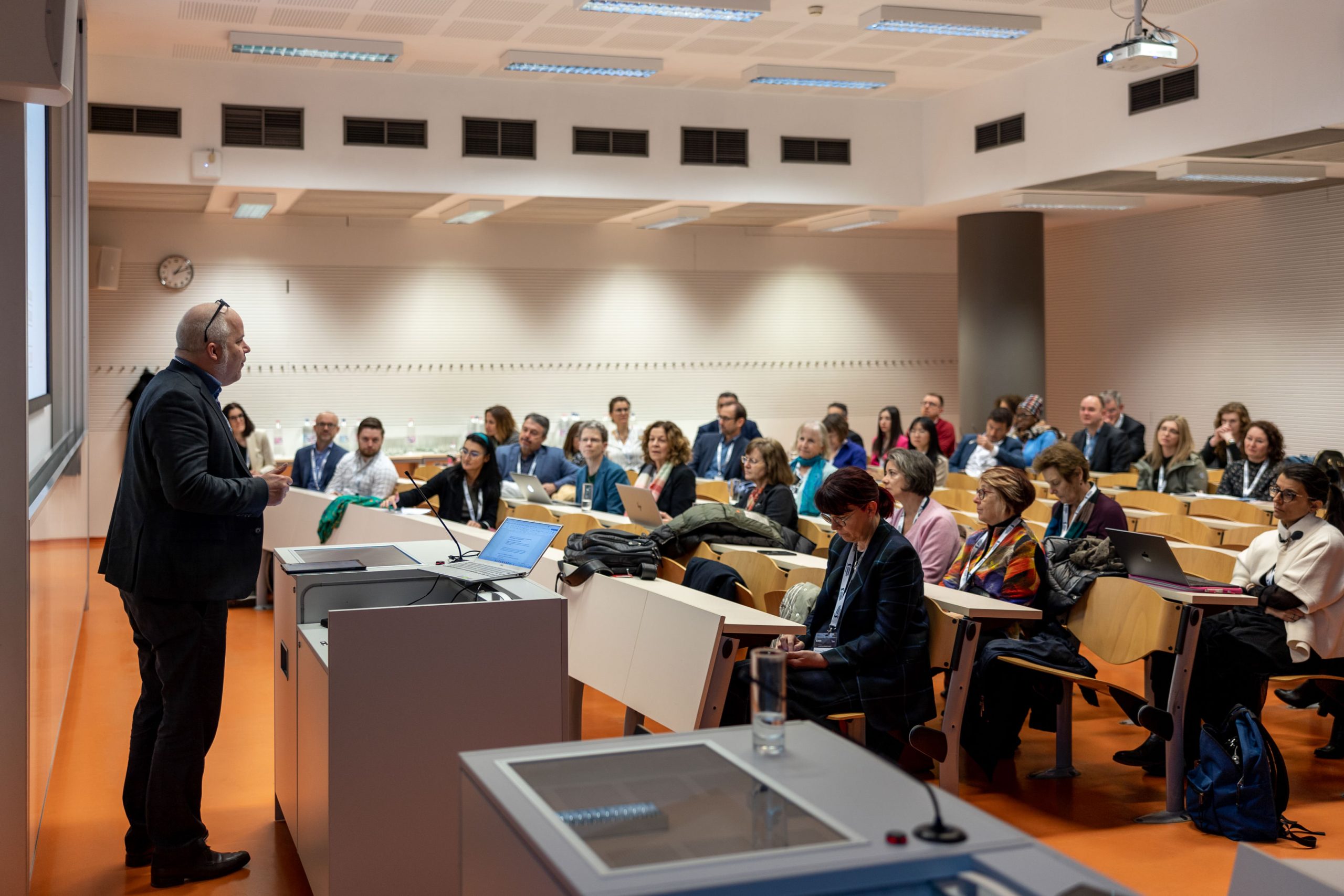
The Danube Centre for Governance Studies, in cooperation with the Department of Public Policy at Corvinus University of Budapest, organized the 2023 Annual Conference of the International Research Society for Public Management (IRSPM) in the Spring of 2023. Hosted by Corvinus University of Budapest, the conference was attended by almost 600 participants from more than 40 countries, including academics, public sector professionals, and policy practitioners. As one of the largest international associations in the field of public management and public policy, IRSPM provided a platform for the exchange of recent research findings and discussions on current challenges in governance and public administration.
The conference program included keynote lectures, panel sessions, and workshops addressing topics such as public service delivery, administrative capacity, governance reform, and policymaking in changing institutional contexts. In addition to the academic program, a social event was organized as part of the conference. Participants were invited to a three-hour dinner cruise on the Danube River, which included a multi-course and an audio-guided tour highlighting major sights along Budapest’s World Heritage-listed riverbanks. The event provided an informal setting for professional exchange among conference participants.



Support for the Ministry of Interior by evaluating Hungary's crime prevention strategy and analyzing options to improve crime prevention policies (2021)
The Danube Centre for Governance Studies implemented a methodological pilot project between 2 May 2018 and 31 July 2019 aimed at estimating and forecasting the social benefits of crime prevention activities linked to the education and training system. The project focused on interventions supported under Hungary’s National Crime Prevention Strategy, with particular attention to school-based prevention, experiential pedagogy, peer support training, and programs such as DADA and ELLEN-SZER. Its overall objective was to develop an evidence-based analytical framework capable of assessing the societal usefulness of such interventions in a systematic and comparable manner.
The project combined several analytical components. These included a structured review of relevant international empirical literature, an evaluation of domestic education-related crime prevention measures, and the identification of typical impact mechanisms and causal pathways at individual and community levels. Building on these elements, the project developed a methodological framework for estimating short- and long-term impacts, drawing on cost–benefit analysis approaches and international benchmarks. Data collection relied on statistical sources, empirical measurements, and expert assessments where necessary. Based on the integrated framework, an experimental estimation of social benefits was conducted, allowing for an assessment of whether the resources invested in crime prevention yield returns for public finances and society, and identifying areas with potential for increasing social impact.
PUBSIC 2026 Annual Conference: Advancing Research on Public Sector Innovation (9-10 February 2026)
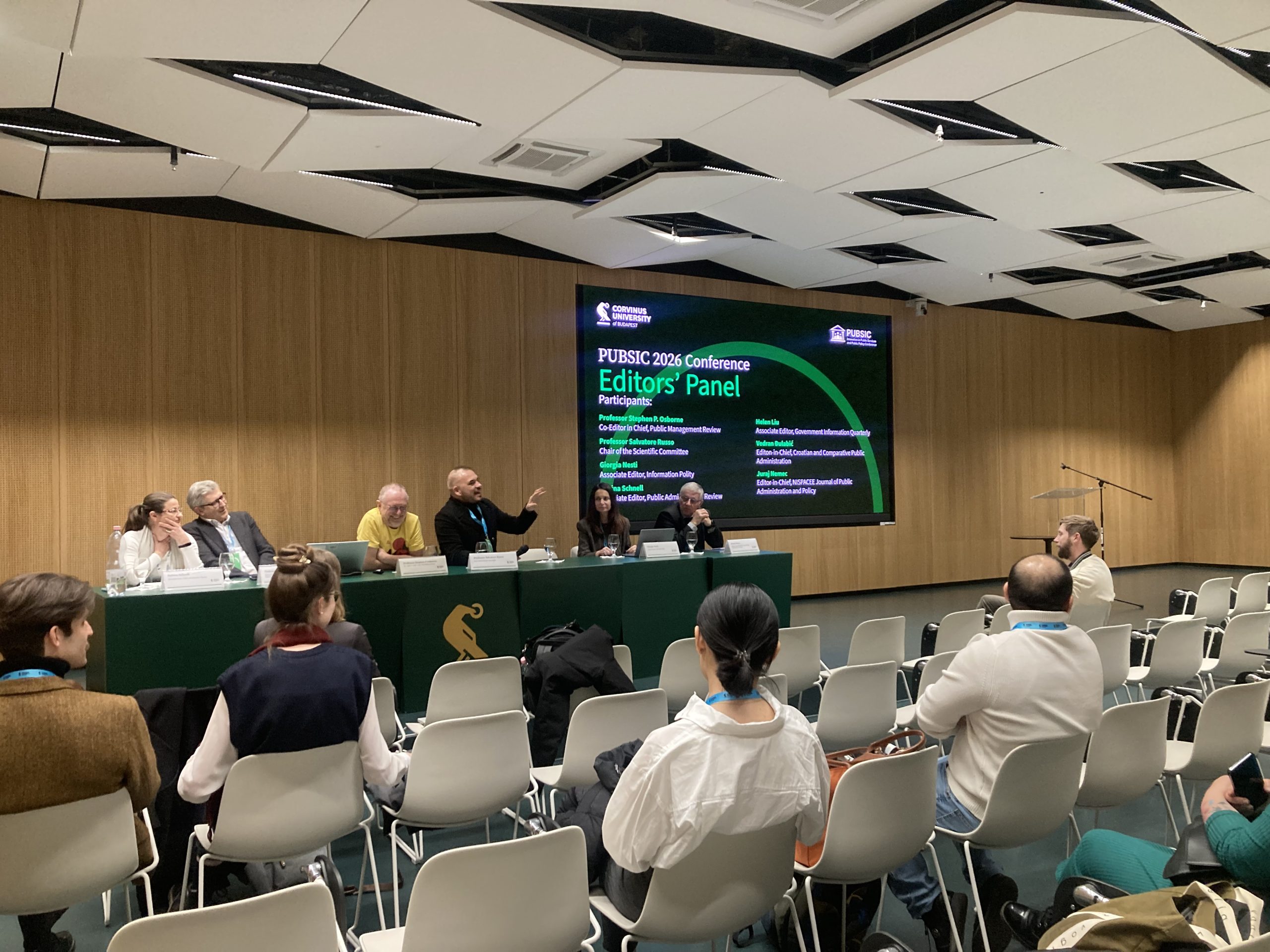
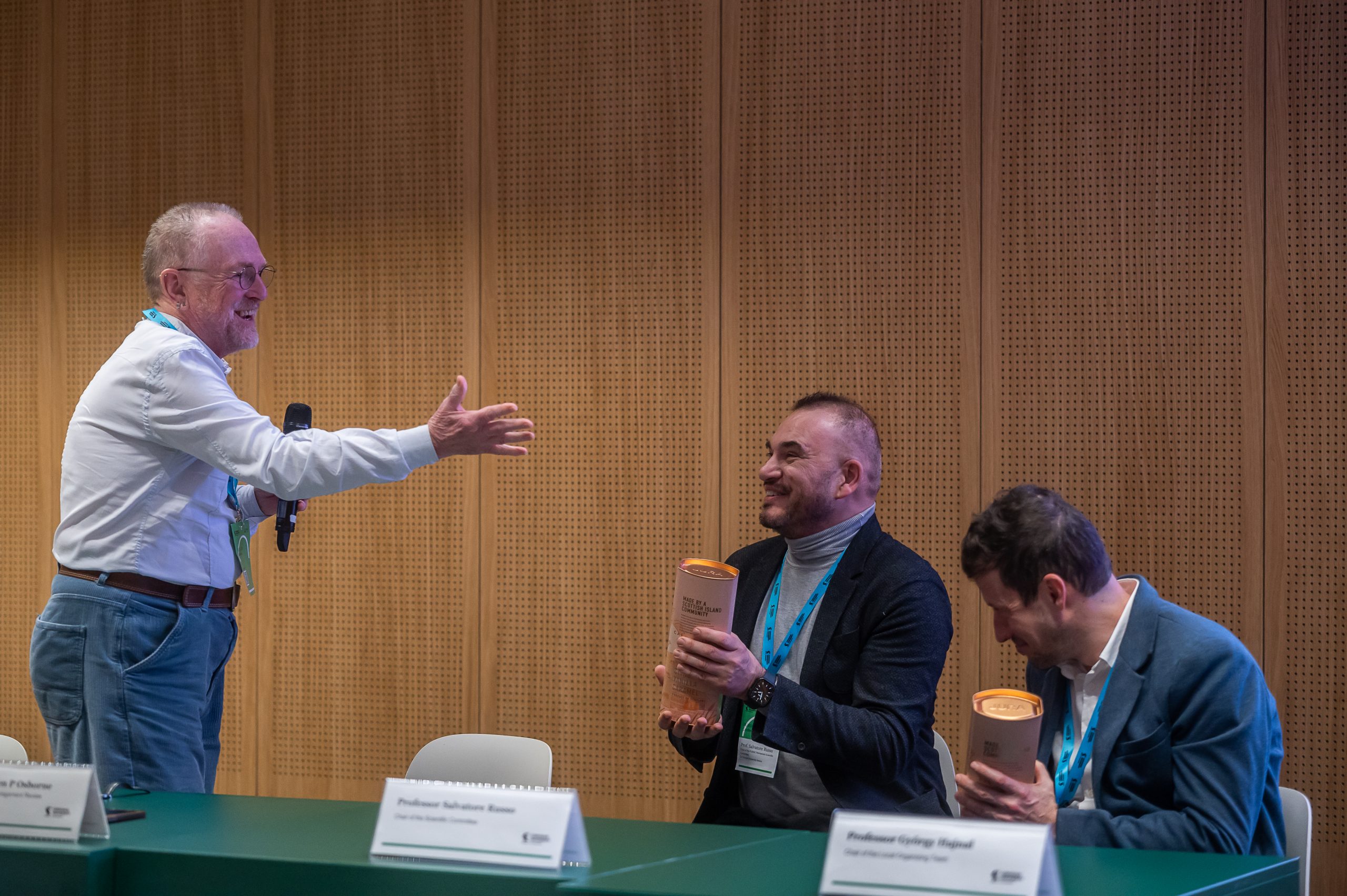
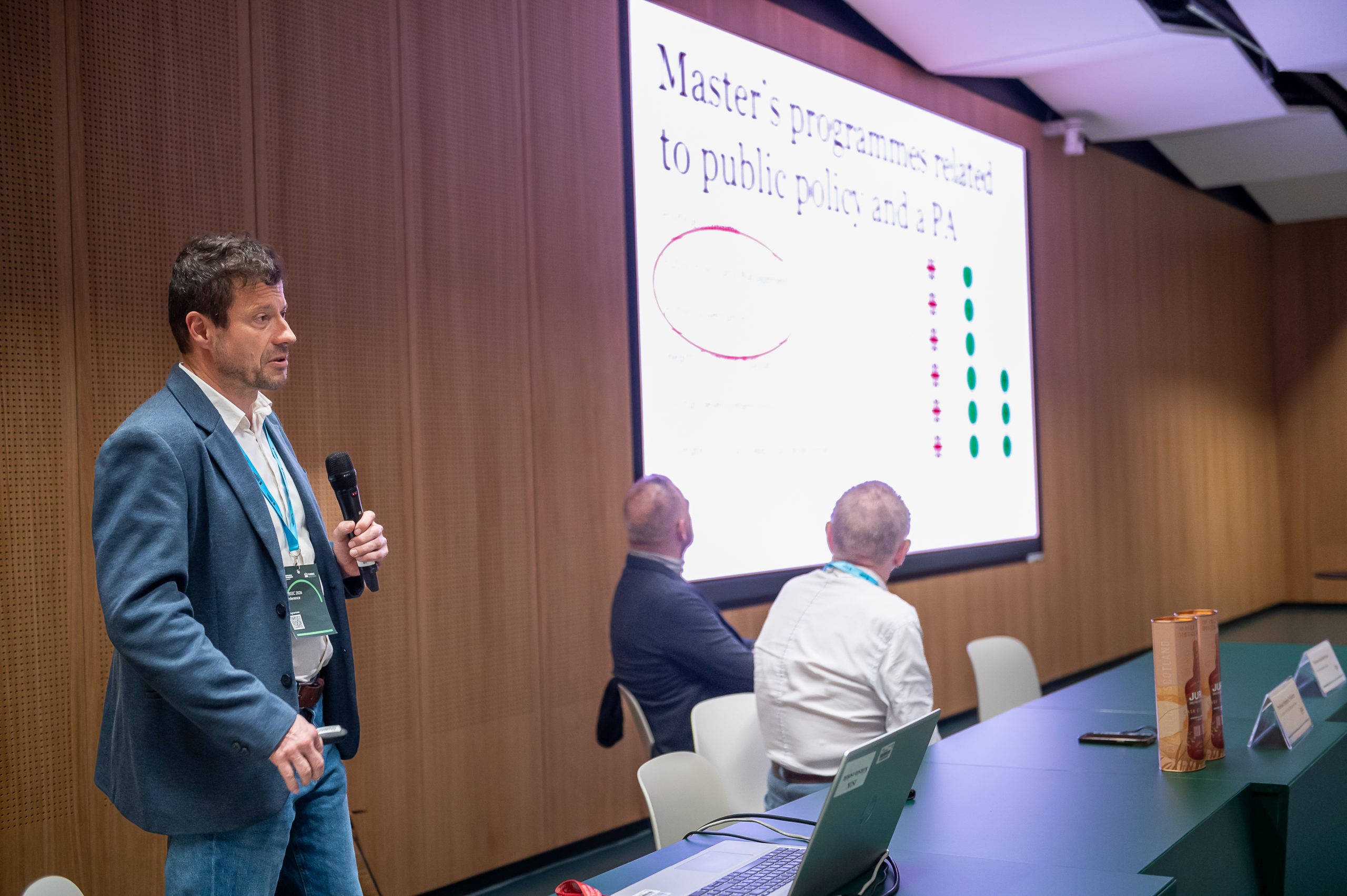
The 8th PUBSIC Conference (Public Sector Innovation Conference) was held on 9–10 February 2026 at Corvinus University of Budapest, organised by the Danube Centre for Governance Studies in cooperation with the Department of Public Policy of Corvinus University. As a recurring international forum dedicated to the study of innovation in public administration and public services, PUBSIC 2026 brought together leading scholars and researchers to examine how innovation can create value for citizens and society.
This year’s theme, “Creating value for citizens and society through innovation in public services,” addressed one of the central questions in contemporary governance research: how can public organisations move beyond traditional administrative models and develop innovative approaches that foster co-creation, collaboration, and sustainable development?
The conference received outstanding feedback regarding its organisation, academic quality, and professional atmosphere. Participants particularly highlighted the smooth coordination of sessions, the high level of scholarly discussion, and the welcoming environment that enabled meaningful exchange among researchers at different career stages. The positive evaluations further strengthened PUBSIC’s reputation as a high-quality international platform for advancing research on public sector innovation.
Study on governance arrangements and capacities enabling the use of systems approach and coordination to accelerate agrifood systems transformation in selected European and Central Asian countries
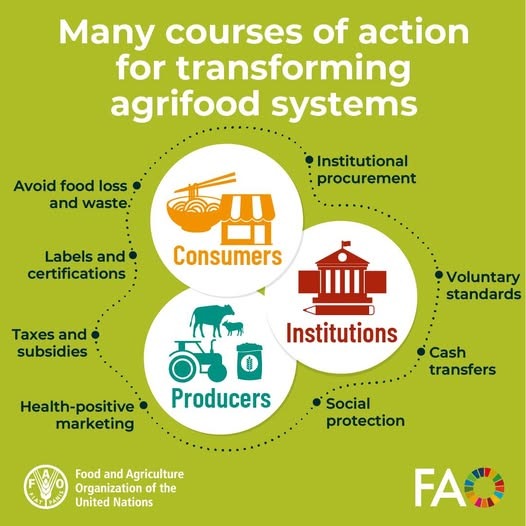
The Governance and Policy Support Unit (GaPS) of the Food and Agriculture Organization of the United Nations commissioned the Danube Centre for Governance Studies to implement a multi-country initiative examining governance arrangements and institutional capacities that enable the use of a systems approach to accelerate agrifood systems transformation. The project responds to mounting global challenges—including persistent food insecurity, malnutrition, and vulnerable agricultural livelihoods—and is grounded in FAO’s understanding that transformative change requires systemic, coordinated, and inclusive action supported by adaptive, transparent, and accountable governance structures.
The initiative compiles a compendium of learning case studies from selected countries that have embedded agrifood systems transformation into national strategies or applied systems approaches within specific policy areas as strategic entry points. Through a structured survey and qualitative documentation, the project maps governance and institutional arrangements, coordination mechanisms, administrative capacities, and leadership practices that translate systems thinking into operational change. It further analyzes how reform processes unfolded, which enabling and constraining factors shaped implementation, and what innovative solutions emerged. By synthesizing these experiences, the project aims to generate actionable lessons and practical recommendations to support other countries in strengthening governance capacities and advancing systemic agrifood transformation.